The Difference We Must Make Now
Enough waiting. Enough waste. People need homes, courage and skilled support now, not years lost in systems.
When I think about supported living, I do not think about systems first. I think about a person waking up somewhere safe, familiar and truly theirs. I think about a family breathing out because their loved one is understood. I think about a colleague going home proud because their patience and skill helped someone have a better day.
This cannot wait. People who need skilled, thoughtful support deserve more than being kept safe. They deserve to be known, trusted, listened to and helped to live with dignity, purpose, relationships and hope.
These are not just numbers. They are people’s lives.
The direction is already clear. Government adult social care priorities for 2026 to 2027 say
“Everyone, regardless of their needs, background or where they live, should have the opportunity to lead healthy, independent and fulfilling lives connected to friends, family and their community.”
That statement should change everything. For people with trauma-induced needs, autism, learning disability, mental health needs, complex communication, or complex histories and risk-related support needs, we must stop asking, “Where can we contain this person?” We must ask, “What home, support, skill and trust will help this person live safely, with dignity and belonging?”
The money matters because people matter
The financial case is clear. Adult social care contributed £77.8 billion to England’s economy in 2024/25, yet the sector still had around 111,000 vacancies. The King’s Fund estimated delayed hospital discharges cost the NHS £2.7 billion in 2025/26. When community support is not ready, hospitals stay blocked, people stay stuck and money is spent in the wrong place.
Supported housing is part of the answer. The National Housing Federation estimates it already saves the public purse around £3.5 billion each year. Meeting future need by 2040 could save around £6 billion a year, add nearly £4 billion to the economy and support more than 52,000 full-time equivalent jobs. This is wise, human investment.
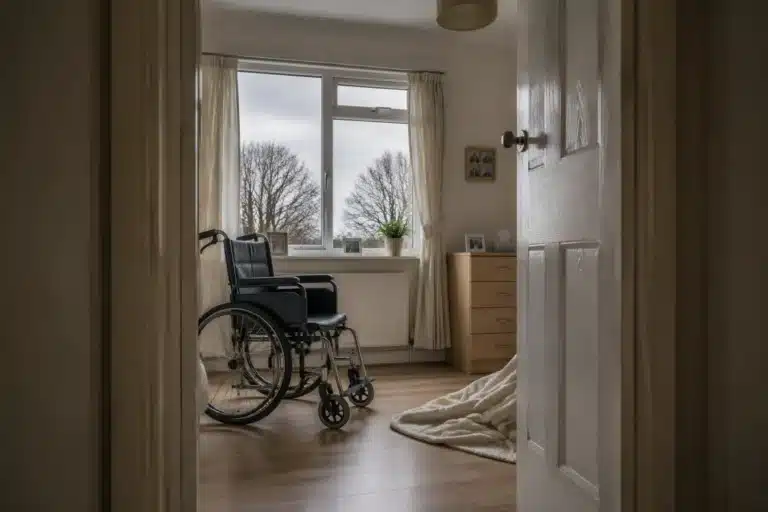
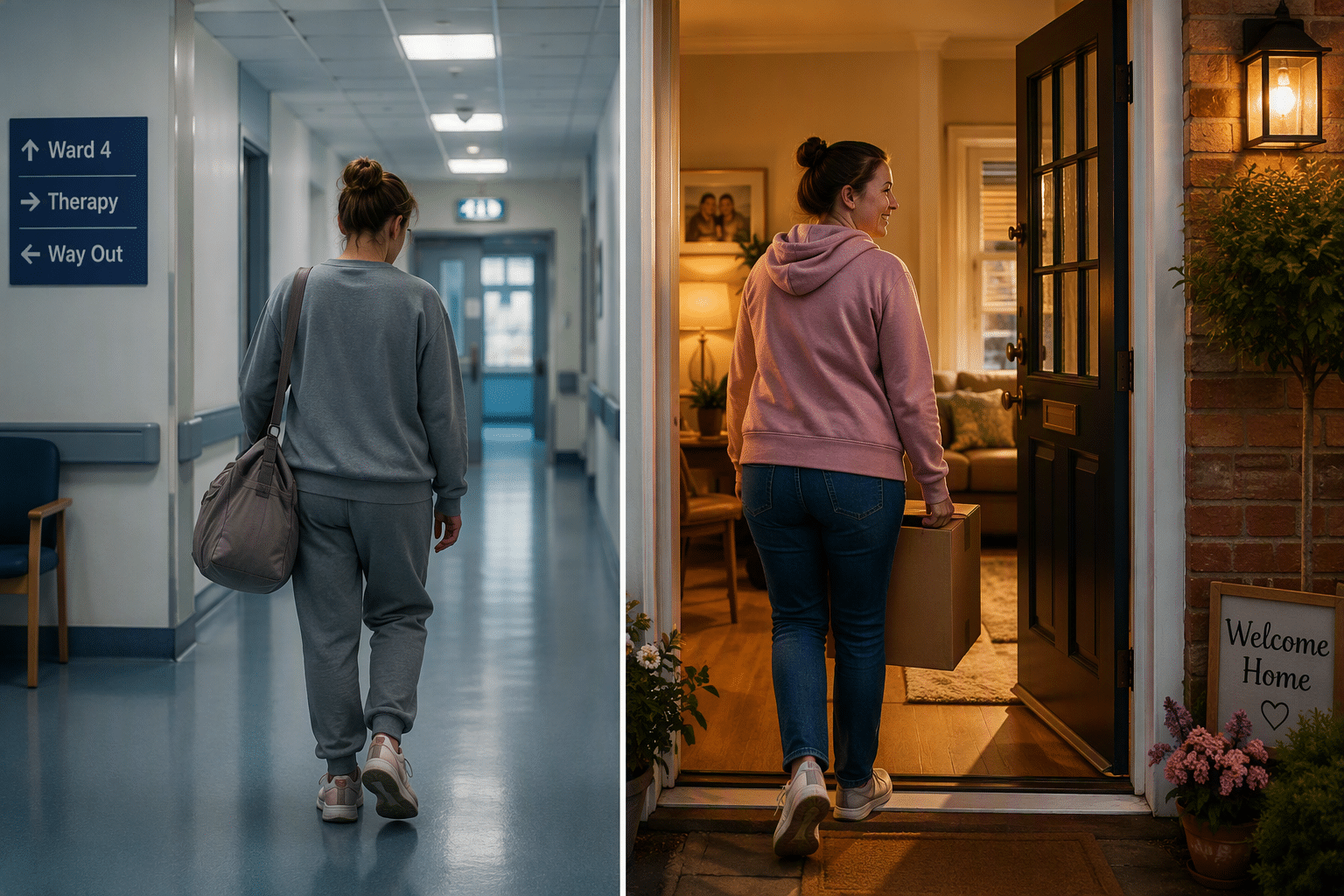
No one should live their life on a ward
Hospital is vital when someone needs treatment. But it must never become someone’s long-term home because the right community support was not built soon enough.
The figures are stark. In March 2025, NHS England reported 2,065 people with a learning disability and autistic people still in mental health inpatient settings. NHS Digital data showed 1,200 people had been in hospital for more than two years, with 325 delayed discharges. Behind every number is a person waiting for life to restart.
The cost is staggering. Mencap and ITV News reported around £534 million a year being spent on inpatient beds for just over 2,000 people, at an estimated average of £237,000 per person per year. For a stay close to five years, that can rise to around £1.2 million. This is money spent too late, when lives are already stuck.
The person is never the problem. The problem is a system that waits too long and pays too late. We should be investing earlier in skilled supported living, trauma-informed teams, safe homes, crisis prevention and joined-up community support.
For people with complex histories and risk-related support needs, this must be done carefully, with strong risk assessment, safe homes, safeguarding, clinical partnership, confident colleagues and trauma-informed support. Done well, it is safer for communities, better for individuals, more reassuring for families and more responsible with public money.
So what are we going to do about it?
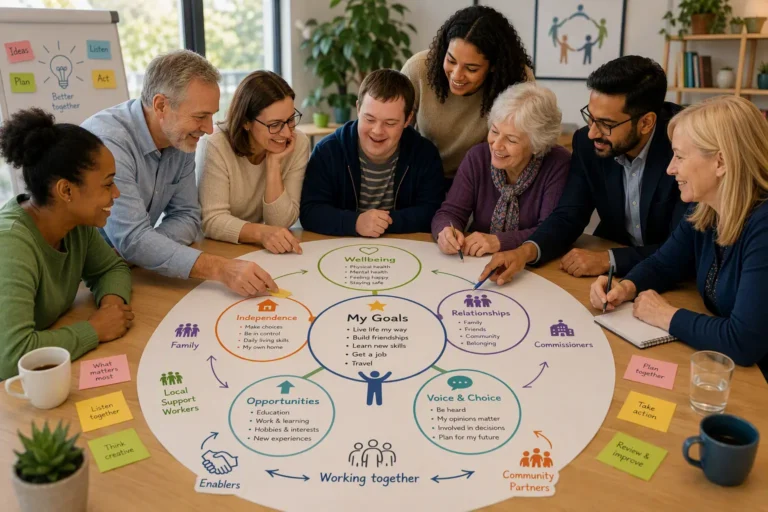
So we must get ready now. Prove what works, invest in skilled colleagues, work earlier with commissioners, housing partners, families and clinicians, use technology wisely, and show clearly how good supported living prevents higher costs elsewhere.
This is the difference we are fighting for. People in homes that feel safe and theirs, families sleeping easier, colleagues proud of the difference they make, hospitals focused on treatment, public money moved from crisis to prevention, and communities where people are known, welcomed and missed.
The old way is too harsh, too costly and too slow. It leaves people waiting, families worrying, hospitals blocked and money tied up in the wrong place. We can do better. We must do better. And we must begin now.
This is someone’s home. Someone’s family. Someone’s freedom. Someone’s future. It is public money, public responsibility and a human promise we must keep.