
The ubu Way
The ubu Way begins with the person, not the service. We take time to learn what a good day looks like for them: who they want to see, what helps the morning feel easier, what makes things harder, and what they would like to do more often. Support grows from there.
There is no single path to a good life. For one person, progress may be easy to see. For another, it may be quieter, like answering the door, trying a new food, staying a little longer at a group, or asking for help before things feel too much. We keep noticing, listening and adjusting, so support still fits the person as life changes.
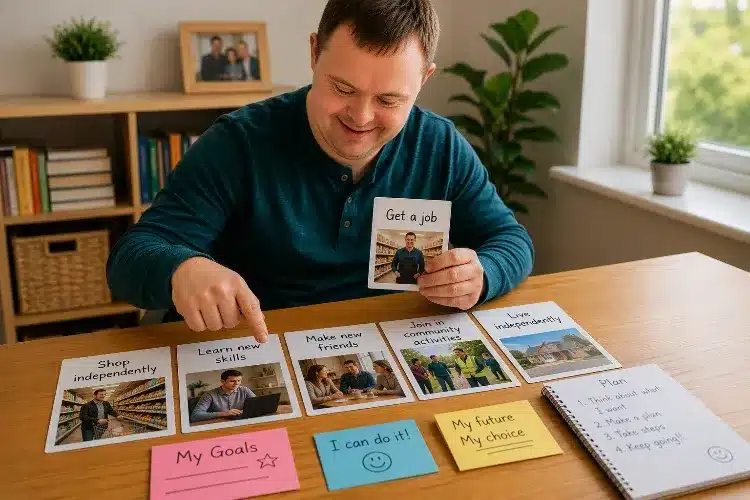
Choice, Rights and Control
Choice begins in the ordinary parts of life: what time to get up, what to eat, who to spend time with, what to say yes to, and what to say no to. We support each person to understand their rights and make decisions in a way that works for them. Sometimes that means slowing down, using pictures or plain words, offering space to think, or being there while someone says, “This is what I want.”
Around each person is a circle of people who listen and learn together, including family, friends, therapists, health professionals and support teams. We look beyond behaviour and ask what someone may be telling us. They may be tired, in pain, worried or overwhelmed. When we understand more, support can become calmer, kinder and more useful.
A choice that seems simple to someone else can mean a lot when it is truly yours.
“After months of support around emotional regulation, a person calmly asked for a break during an activity and said, ‘I need quiet for my head.’ It showed they knew what they needed and could ask for it.”
Homes That Feel Right
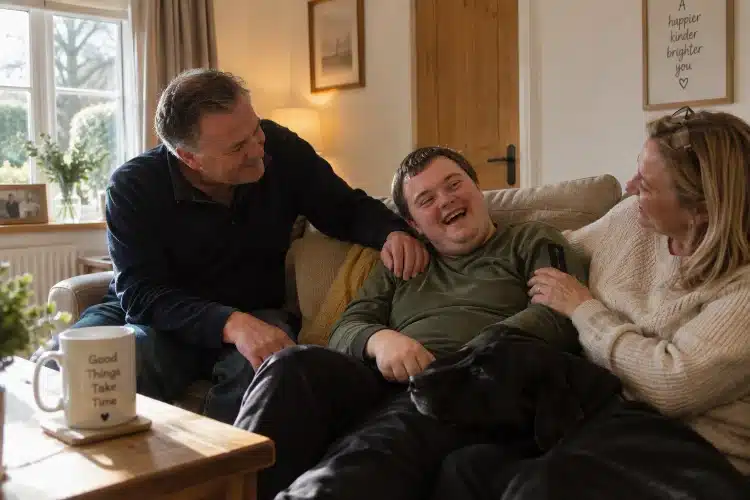
A home is more than a roof and a front door. It is the chair someone chooses, the photos on the side, the smell of their favourite meal, the music they play, the quiet corner they go to, and the people they welcome in. We support each person to make their home feel safe, comfortable and truly theirs.
As life changes, the home and support around someone may need to change too. That might mean a different communication aid, safer lighting, a better morning routine, help to manage visitors, or new ways to stay close to friends and neighbours. We keep looking for what makes daily life easier, steadier and more enjoyable.
A home should feel like it belongs to the person living there. It should be safe, comfortable, proudly shared, and filled with things that matter to them.
“One afternoon, a person we support invited their team to the grand opening of their newly decorated bedroom. They had chosen the colours, the bedding, the pictures and the finishing touches themselves. Standing in the doorway, they said it felt like ‘my space, my calm’, a room that belonged to them in every sense.”
Being Part of the Community
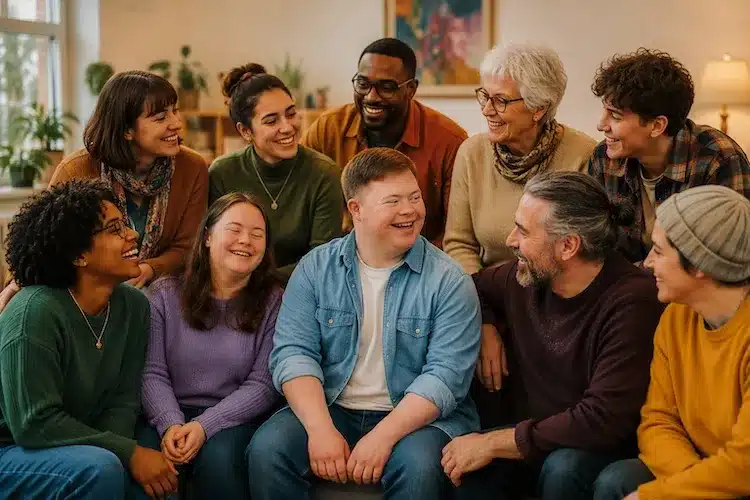
Life does not stop at the front door. It is in the walk to the shop, the hello from a neighbour, the weekly swim, the library card, the volunteering shift, the bus route learned by heart, or the café where someone knows your order. We support each person to find places, people and routines that give them a sense of belonging.
For one person, community may mean a job, a club, a college course or a regular role at a local group. For someone else, it may start with stepping outside for five minutes, saying hello to one trusted person, or choosing to stay in a room a little longer. We begin where the person is and build gently from there.
What may seem ordinary from the outside can change how someone sees themselves. Being remembered, invited, trusted or needed can help a person feel they belong. We help people make connections, share what they enjoy and take part in ways that feel right for them.
“Someone who usually found group settings overwhelming asked to help run the weekly film night. They chose the film, made popcorn, welcomed people with a handmade sign, and stayed until the end. Afterwards, they said, ‘I didn’t think I could do this, but I did it.’ It was more than a film night. It was friendship, courage and a place in the room, all growing in one ordinary evening.”
Community is not just somewhere people go. It is where people are noticed, welcomed, known by name, and able to give something back in their own way.